How Seattle Winters Impact Gum Recession
Cold weather, dry indoor air, and seasonal habits can all affect your gums more than you may realize during a Seattle winter.

Seattle winters bring cooler temperatures, shorter days, and a lot more time spent indoors. While most people think about winter in terms of colds, dry skin, and seasonal fatigue, your oral health can also be affected this time of year. One issue that may become more noticeable during the colder months is gum recession.
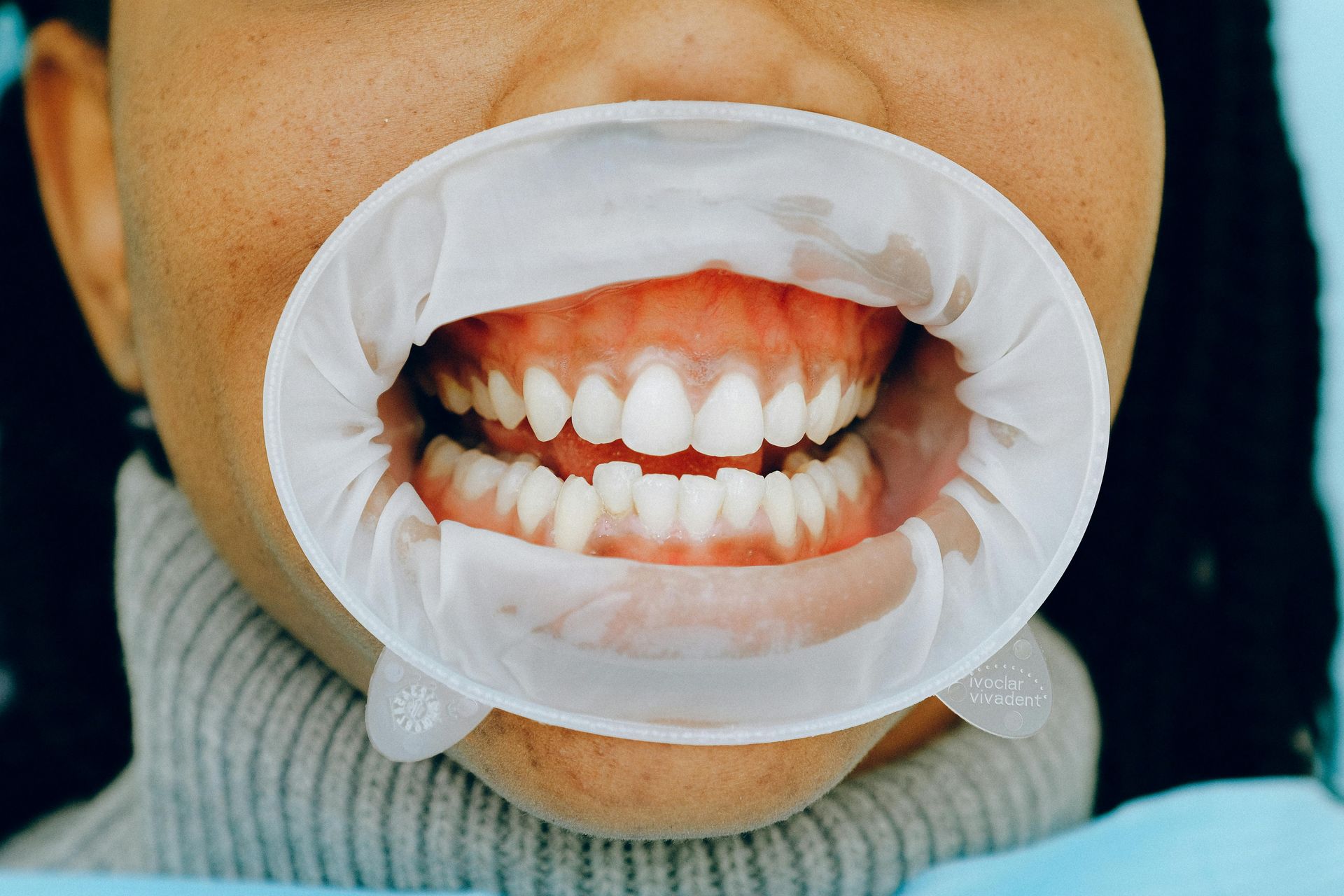
Gum recession happens when gum tissue pulls back from the teeth, exposing more of the tooth surface and sometimes even the root. This can lead to tooth sensitivity, discomfort, and a higher risk of decay near the gumline. For many patients, winter habits and environmental changes can make existing gum problems worse.
What Is Gum Recession?
Gum recession is a gradual loss of gum tissue around the teeth. It can happen for several reasons, including gum disease, aggressive brushing, teeth grinding, tobacco use, and natural wear over time. Receding gums do not grow back on their own, so early attention is important.
When recession progresses, you may notice:
- Teeth that look longer than they used to
- Sensitivity to cold air, drinks, or food
- Notching near the gumline
- Tender or irritated gums
- A greater tendency for food to get trapped between teeth
Why Winter Can Make Gum Recession Feel Worse
Seattle’s winter season may not always bring extreme snow, but it does create conditions that can affect gum health. The issue is not just the weather outside. It is also the way people live differently during the winter months.
Dry Indoor Air
When temperatures drop, people spend more time inside with heaters running. Indoor heating can dry out the air, which may contribute to dry mouth. Saliva plays a major role in protecting your teeth and gums by washing away bacteria and helping keep oral tissues healthy. When your mouth feels dry, plaque and bacteria can build up more easily along the gumline.
For someone who already has mild gum recession or early gum inflammation, a dry mouth can make the problem more noticeable and more uncomfortable.
Increased Sensitivity to Cold
If your gums have receded, more of the tooth root may be exposed. Root surfaces are more sensitive than enamel, so cold Seattle air and hot-to-cold temperature changes can trigger discomfort. Many patients first notice recession in winter because their teeth suddenly feel more sensitive when they step outside, drink cold water, or breathe in chilly air.
In other words, winter may not cause the recession itself, but it often makes the symptoms harder to ignore.
Seasonal Stress and Teeth Grinding
The winter months can bring higher stress levels for many people. Holiday schedules, year-end responsibilities, darker days, and post-holiday fatigue can all contribute to clenching and grinding. If you grind your teeth at night, that pressure can place extra force on your gums and the supporting structures around your teeth.
Over time, grinding can worsen recession, especially when combined with inflammation or aggressive brushing habits.
Changes in Daily Routine
Many people fall out of their normal routines during winter. Travel, busy schedules, illness, and changes in sleep patterns can all affect oral hygiene. Even small lapses in brushing, flossing, and regular dental visits can allow plaque to build up near the gums.
If bacteria remain along the gumline for too long, gum inflammation can develop. That inflammation is often the first step toward more serious periodontal problems that may contribute to recession.
Winter Comfort Foods and Beverages
Coffee, tea, acidic drinks, sweets, and frequent snacking are common during colder months. While enjoying seasonal favorites is normal, frequent exposure to sugar and acid can irritate the mouth and support plaque growth if oral hygiene slips. Some patients also sip hot drinks throughout the day, which can be a problem when combined with dry mouth or gum sensitivity.
Signs Your Gums May Need Attention This Winter
It is easy to dismiss small symptoms, especially during a busy season. However, certain warning signs should not be ignored.
Watch for:
- Bleeding when brushing or flossing
- Red, swollen, or tender gums
- Teeth that appear longer
- Sensitivity near the gumline
- Persistent bad breath
- A rough or sharp feeling near the roots of the teeth
These symptoms can point to gum recession, gum disease, or both. The sooner you address them, the easier it is to protect your smile.
How to Protect Your Gums During Seattle Winters
The good news is that a few simple steps can help reduce irritation and support healthier gums through the colder months.
Stay Hydrated
Drink water throughout the day, especially if indoor heat leaves your mouth feeling dry. Hydration helps your body produce saliva, which is one of your natural defenses against bacteria.
Use a Soft-Bristled Toothbrush
Brushing too hard can wear away gum tissue over time. Use a soft-bristled toothbrush and gentle circular motions rather than scrubbing back and forth aggressively.
Don’t Skip Flossing
Plaque between the teeth and along the gumline can lead to inflammation that makes recession worse. Daily flossing is a simple but powerful step in protecting your gums.
Manage Teeth Grinding
If you wake up with jaw soreness, headaches, or tooth sensitivity, grinding may be contributing to gum problems. A custom night guard may help protect your teeth and gums from excess force.
Keep Up With Dental Visits
Routine cleanings and exams are especially important if you have noticed sensitivity or changes in your gums. Professional care can remove buildup in areas that are hard to reach at home and catch recession before it progresses further.
When Gum Recession Needs Periodontal Treatment
Mild gum recession may sometimes be managed with better home care and regular monitoring, but more advanced cases often need professional periodontal treatment. Depending on the cause and severity, treatment may include periodontal therapy, deep cleaning, night guards, or gum grafting procedures to protect exposed roots and improve gum coverage.
At Aurora Dental Care, patients in Seattle can get help identifying the cause of gum recession and finding the right treatment plan for long-term oral health. Addressing the problem early can help reduce sensitivity, protect tooth roots, and prevent future complications.
Protect Your Smile This Winter
Seattle winters may seem mild compared to other parts of the country, but the season can still take a toll on your gums. Dry indoor air, cold sensitivity, stress, and changing routines can all make gum recession more noticeable and more uncomfortable.
If your teeth are feeling more sensitive this winter or your gums seem to be pulling back, now is a good time to have them evaluated. Early care can make a meaningful difference in preserving your gum health and keeping your smile comfortable year-round.